Dr. Raghuvaran provides expert orthopedic care focused on precision, faster recovery, and
patient comfort —
offering advanced treatments that include joint replacements, trauma surgeries, spine
procedures, and sports injury management.
Meniscal repair or partial meniscectomy for complete, partial, bucket-handle & root
tears.
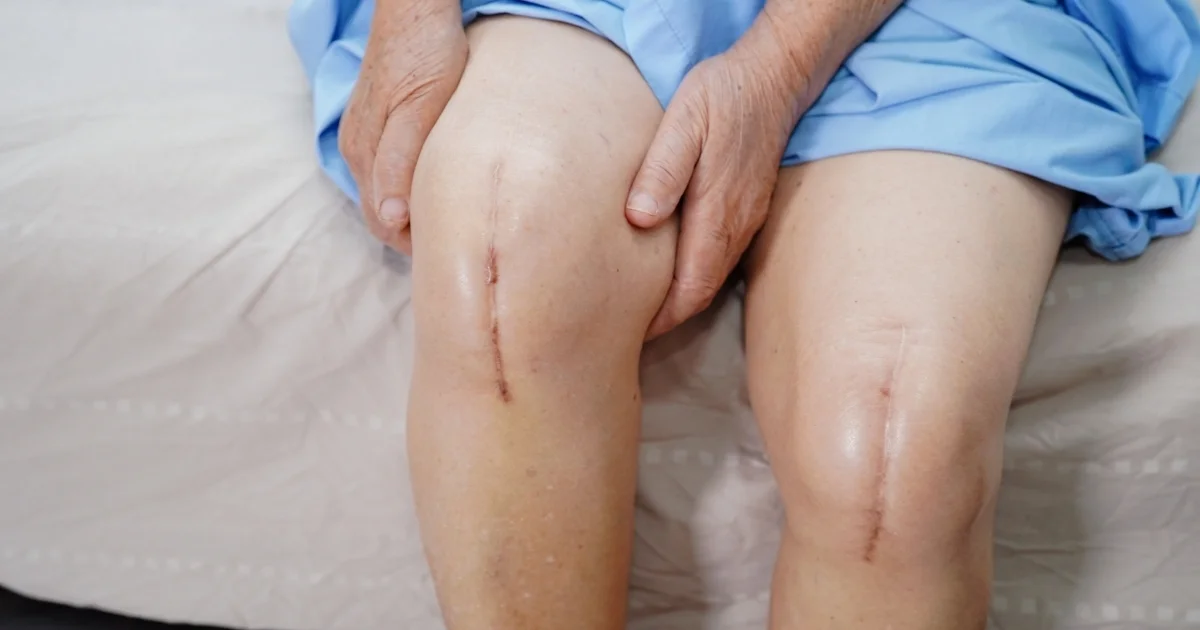
Knee Replacement Surgery – Dr. Raghuvaran
If you’re suffering from constant knee pain, stiffness, or difficulty walking, knee replacement
surgery can help restore mobility and relieve discomfort. Dr. Raghuvaran, an
experienced Consultant Orthopedic and Joint Replacement Surgeon, offers advanced,
minimally invasive knee replacement procedures for long-lasting relief.
What Is Knee Replacement Surgery?
Knee replacement surgery (or knee arthroplasty) replaces damaged or
worn-out knee joints with an artificial implant. It reduces pain, improves joint function, and restores
normal movement.
Types of Knee Replacement:
Total Knee Replacement (TKR): Entire knee joint is replaced.
Partial Knee Replacement (PKR): Only the damaged portion is replaced.
Revision Knee Replacement: Replacing or adjusting a previous implant.
When Do You Need Knee Replacement Surgery?
Severe or constant knee pain
Swelling and stiffness that limits daily activity
Osteoarthritis or rheumatoid arthritis
Deformity or bowing of the leg
Difficulty climbing stairs, sitting, or walking
If these symptoms persist even after medication and therapy, surgery may be the best solution.
Benefits of Knee Replacement Surgery
Relief from chronic pain
Improved knee movement and flexibility
Correction of knee deformities
Enhanced quality of life
Return to normal activities
Advanced Surgical Techniques by Dr. Raghuvaran
Dr. Raghuvaran uses minimally invasive and computer-assisted techniques for
higher
accuracy and faster healing.
Smaller incisions
Less blood loss
Shorter hospital stay
Quicker recovery
Post-Surgery Recovery & Rehabilitation
Post-surgery care includes a customized physiotherapy program to strengthen muscles and
restore motion.
Dr. Raghuvaran’s team provides complete support for safe recovery and long-term success.
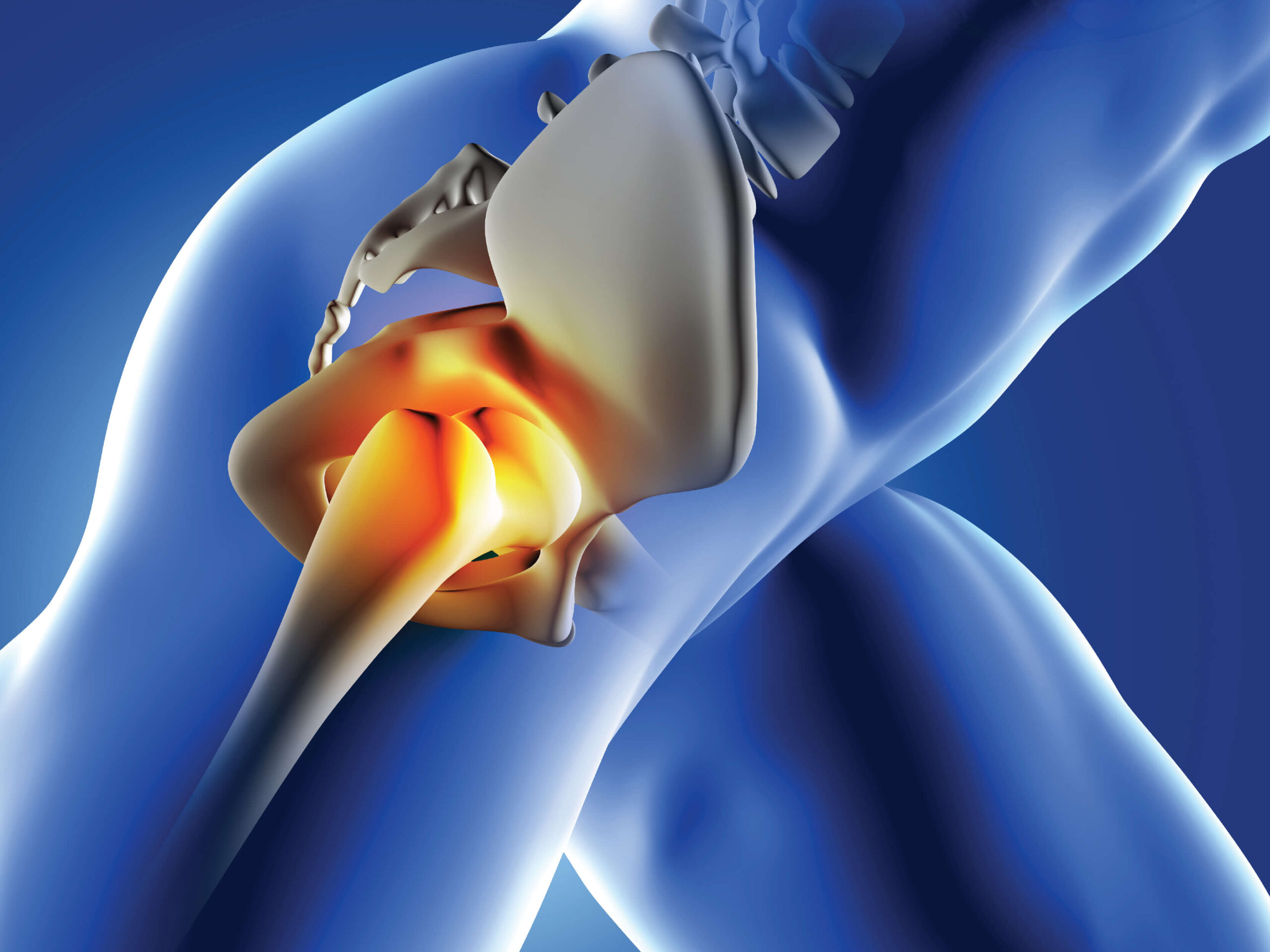
Hip Replacement Surgery
Modern hip replacement surgery is very durable. There is no age limit, and anyone with severe hip disease can
undergo total hip replacement, provided they are fit for surgery. Diabetes, heart disease, and high blood
pressure, etc., are not contraindications for surgery as long as they are in control.
With good surgical technique, most patients can sit on the floor too. It is extremely important that the
surgeon who does your hip replacement is experienced and well trained, as the consequences of poor surgery
can be very serious. The hospital where you have your surgery should have a very low infection rate.
Post-operative infection, in particular, is very difficult to control and generally requires further major
surgeries.
There are many types of hip replacement:
Cemented
Uncemented
Hybrid
There are also many bearing options, and your surgeon would be the best person to discuss these details with.
All you need to know is that modern hip replacement materials and bearings are very durable and reliable and
rarely break. A good implant and bearing are key to the long-term success of your hip, in addition to the
quality of the surgery itself.
Shoulder Joint Replacement Surgery – Dr. Raghuvaran
If shoulder pain and stiffness are limiting your movement or affecting your sleep, shoulder joint
replacement surgery could help you regain strength, mobility, and comfort. Dr.
Raghuvaran, a skilled Orthopedic and Joint Replacement Surgeon, performs
advanced shoulder replacement surgeries using the latest minimally
invasive and computer-assisted techniques.
What Is Shoulder Joint Replacement Surgery?
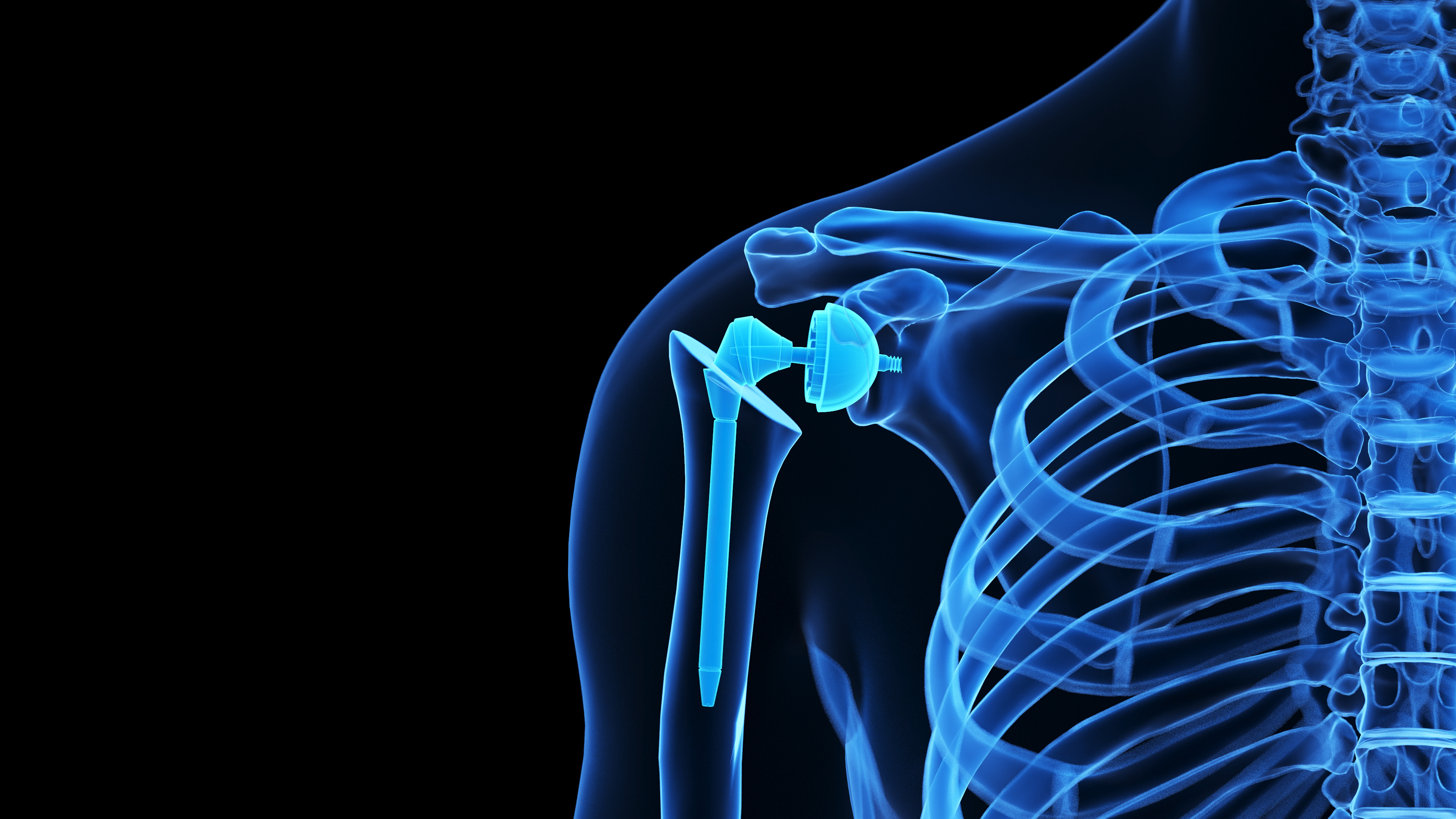
Shoulder joint replacement (also called shoulder arthroplasty) is a
surgical procedure where the damaged parts of the shoulder joint are replaced with artificial implants. It
helps relieve pain, restore movement, and improve shoulder function for patients with arthritis, fractures,
or rotator cuff injuries.
Types of Shoulder Replacement Surgeries:
Total Shoulder Replacement (TSR): Replaces both the ball (humeral head) and socket
(glenoid) of the shoulder.
Partial Shoulder Replacement: Only the ball portion of the shoulder joint is replaced.
Reverse Shoulder Replacement: Used in patients with severe rotator cuff damage, where
implant positions are reversed for better function.
When Is Shoulder Replacement Surgery Needed?
You may need a shoulder replacement if you experience:
Persistent shoulder pain that doesn’t improve with medication or therapy
Severe stiffness or limited arm movement
Shoulder arthritis (osteoarthritis, rheumatoid arthritis, or post-traumatic arthritis)
Fractures or bone damage in the shoulder joint
Rotator cuff tear arthropathy causing weakness and instability
Benefits of Shoulder Joint Replacement Surgery
Significant pain relief
Restored shoulder strength and motion
Ability to perform daily tasks comfortably
Improved sleep and arm mobility
Long-lasting results and improved quality of life
Advanced Shoulder Replacement Techniques by Dr. Raghuvaran
Dr. Raghuvaran specializes in minimally invasive and computer-assisted shoulder
replacement to ensure better alignment and faster healing.
Smaller incisions and less scarring
Reduced blood loss
Faster rehabilitation
Early return to daily activities
These methods help with:
Smaller incisions
Less blood loss
Shorter hospital stays
Quicker recovery
Post-Surgery Recovery and Rehabilitation
After surgery, patients follow a personalized physiotherapy program under expert
supervision. This helps restore shoulder strength, flexibility, and joint movement effectively. Dr.
Raghuvaran’s team
ensures close follow-up and long-term care for successful recovery.
Fracture & Trauma Management for Faster Recovery
Trauma and fractures can occur due to accidents, falls, sports injuries, or degenerative bone
conditions. Prompt and expert care is essential to ensure proper healing, restore function, and
prevent long-term complications. Dr. Raghuvaran, a leading orthopedic specialist, offers
advanced
fracture management, trauma surgery, and rehabilitation programs to help patients recover
fully and regain mobility.
Common Traumatic Injuries & Fractures Treated
Simple & Complex Fractures – Including closed and open fractures affecting bones of the
arms, legs, hips, and more.
Dislocations & Joint Injuries – Occurring in the shoulder, knee, hip, and elbow,
requiring realignment and stabilization.
Multiple & High-Impact Trauma Cases – Resulting from accidents or falls, involving
multiple fractures.
Stress Fractures & Overuse Injuries – Common in athletes, caused by repetitive strain
on bones.
Osteoporotic Fractures – Fragile bones due to osteoporosis, leading to spinal, hip, and
wrist fractures.
Fractures in Children (Pediatric Orthopedic Trauma) – Growth plate fractures and other
bone injuries in children requiring specialized care.
Pelvic & Hip Fractures – Often seen in elderly patients or due to high-impact injuries,
requiring surgical intervention.
Pathological Fractures – Fractures occurring due to underlying conditions like bone
tumors or infections.
Sports-Related Trauma – Ligament tears, tendon injuries, and fractures caused by
sports.
Fracture & Trauma Care Services
1. Emergency & Acute Trauma Care
Immediate intervention is critical in traumatic injuries. We provide 24/7 emergency fracture management,
including:
Initial assessment, X-rays, and imaging for accurate diagnosis
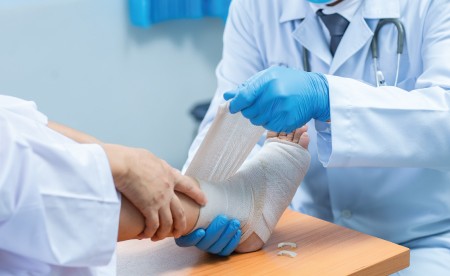
Immobilization & Splinting – Preventing further damage before definitive treatment
Closed Reduction Procedures – Aligning broken bones without surgery
Casting & Bracing – Non-surgical stabilization for minor fractures
2. Surgical Fracture Fixation & Reconstruction
For complex or displaced fractures, surgery may be required to ensure proper healing.
Open Reduction & Internal Fixation (ORIF) – Using screws, plates, and rods to stabilize
fractures
External Fixation – Temporary stabilization using external frames for severe trauma
cases
Intramedullary Nailing – Minimally invasive technique for long bone fractures (femur,
tibia)
Bone Grafting & Regenerative Surgery – Enhancing bone healing for severe fractures
Revision Fracture Surgery – Correcting improperly healed fractures or complications
3. Pediatric Trauma & Fracture Care
Children require specialized fracture care to ensure normal bone growth and development.
External fixator application for comminuted distal tibia fractures
Talus & Calcaneal fracture fixation
Proximal & distal phalanx fracture fixation
Who Needs Trauma & Fracture Care?
If you experience sudden pain, swelling, bruising, or inability to move a limb, you may have a fracture or
soft tissue injury requiring urgent care. Trauma care is especially important for:
Accident victims with broken bones or joint dislocations
Athletes suffering from sports-related fractures or ligament tears
Elderly individuals prone to osteoporosis-related fractures
Children with growth plate injuries needing specialized care
Patients with complex fractures requiring surgical intervention
The Treatment Process: What to Expect
Initial Consultation & Diagnosis
Detailed physical examination & history assessment
X-rays, MRI, or CT scans to confirm fracture type & severity
Emergency stabilization & pain management
Personalized Treatment Plan
Non-surgical or surgical approach depending on injury severity
Minimally invasive procedures for faster recovery
Individualized rehabilitation plan for long-term recovery
Post-Treatment Rehabilitation & Follow-Up
Progress monitoring with periodic imaging tests
Physical therapy for strength & mobility restoration
Guidance on lifestyle modifications to prevent future fractures
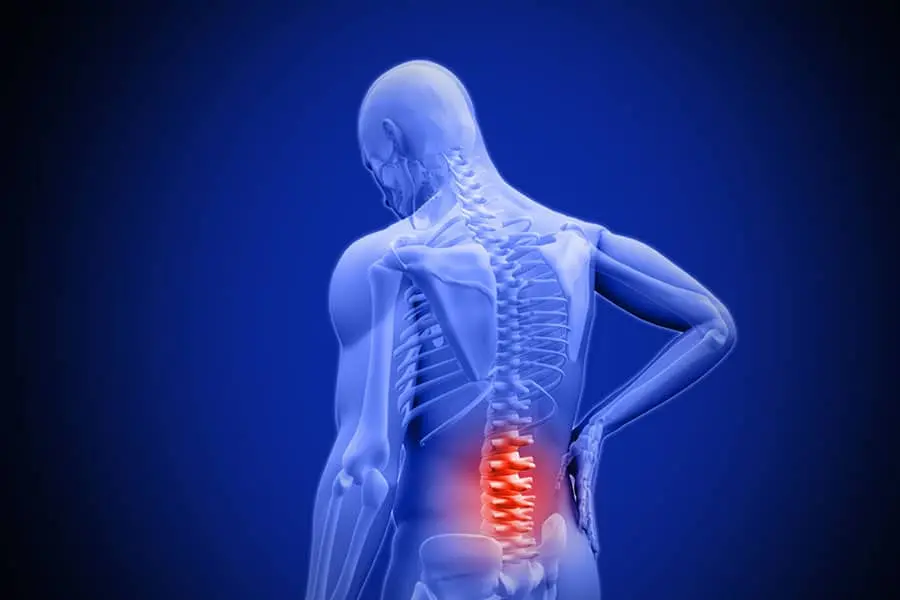
Comprehensive Treatment for Spinal Disorders & Back Pain
The spine is the central support structure of the body, allowing movement and protecting the spinal cord.
Back pain, spinal injuries, and degenerative conditions can significantly impact daily life.
Spine & Back Care focuses on diagnosing, treating, and preventing spinal disorders through
non-surgical and surgical interventions.
Common Spinal Conditions Treated
Herniated Disc (Slipped Disc): Soft cushion between spinal bones slips out, causing
pain and nerve compression.
Degenerative Disc Disease: Age-related wear and tear leading to chronic pain.
Sciatica: Compression of the sciatic nerve causing radiating leg pain.
Spinal Stenosis: Narrowing of the spinal canal leading to nerve compression and
weakness.
Scoliosis & Spinal Deformities: Abnormal curvature of the spine affecting posture and
function.
Osteoporosis-Related Fractures: Fragile bones due to osteoporosis leading to spinal
fractures.
Spondylolisthesis: A vertebra slips forward over the bone below it.
Facet Joint Syndrome: Arthritis of the spine causing stiffness and pain.
Spinal Trauma & Injuries: Fractures, dislocations, and nerve injuries caused by
accidents.
Disc Disorders & Degenerative Spine Conditions.
Spine & Back Care Services
1. Non-Surgical Spine Treatments
Physical Therapy & Rehabilitation: Strengthening muscles to support the spine and
improve flexibility.
Rootblock Injections: Reducing inflammation and relieving nerve pain.
Microdiscectomy: Removing herniated disc fragments to relieve nerve pressure.
Laminectomy: Decompressing the spinal cord to treat spinal stenosis.
Spinal Fusion: Stabilizing unstable vertebrae using bone grafts and implants.
Kyphoplasty & Vertebroplasty: Treating osteoporosis-related fractures by injecting bone
cement.
Artificial Disc Replacement: Preserving motion in the spine while replacing damaged
discs.
3. Advanced Surgical Spine Treatments
Complex Spine Deformity Correction: Scoliosis and kyphosis treatment through
specialized surgical approaches.
Spinal Cord Decompression & Nerve Release: Relieving pinched nerves caused by tumors,
trauma, or stenosis.
Robotic & Navigation-Guided Spine Surgery: Enhancing precision for safer and more
effective procedures.
Who Can Benefit from Spine & Back Care?
Chronic back or neck pain affecting daily activities.
Numbness, tingling, or weakness in arms or legs.
Difficulty walking due to spinal nerve compression.
Postural abnormalities or spinal deformities.
Persistent pain after a previous spine injury.
The Treatment Process: What to Expect
1. Initial Consultation & Diagnosis: Comprehensive assessment, imaging tests (X-ray,
MRI, CT), and discussion of treatment options.
2. Personalized Spine Care Treatment Plan: Non-surgical interventions like physical
therapy and pain management, or minimally invasive surgery if needed.
3. Recovery & Rehabilitation: Guided physiotherapy, lifestyle modifications to prevent
recurrence, and ongoing monitoring to track progress.
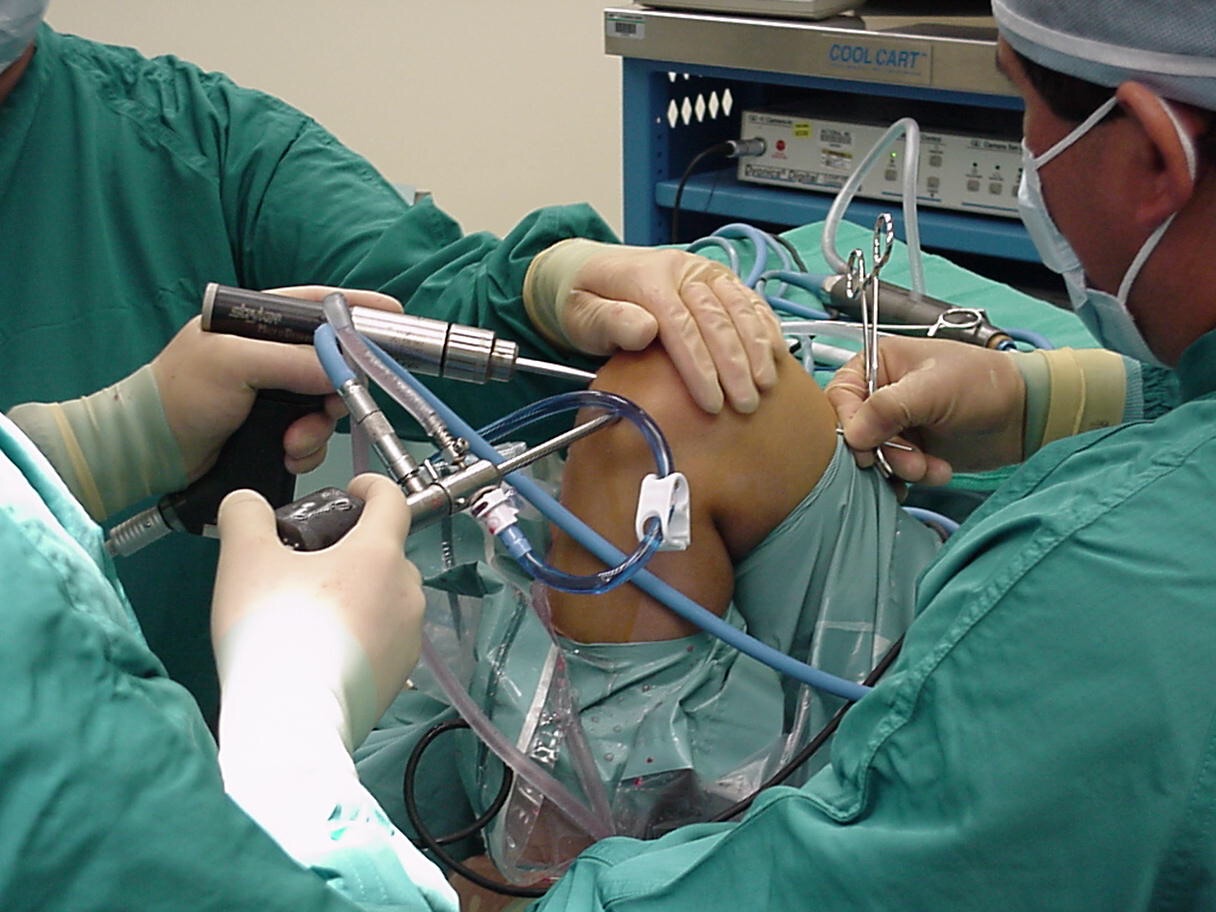
Knee Arthroscopy (Sports Medicine)
Arthroscopy (Sports Medicine)
With the advent of modern optics and technology in medicine, any joint can be visualized and treated inside
the body using an arthroscope, with extensive use in the knee and shoulder joints. With the
increase in high-energy sports injuries and road traffic accidents, ligament injuries and
their reconstruction/repair have become day-to-day procedures in high-demand joints such as the knee and
shoulder.
Knee Arthroscopy
Ligament injuries and cartilage defects neglected in the initial stages can pose problems later. Ligament
tears such as ACL, PCL, MCL, and LCL cause instability—patients struggle with daily
activities like jogging, climbing stairs, and brisk movements, as well as sports and professional activity.
MRIs help diagnose the level of injury, grade the tear, and plan treatment.
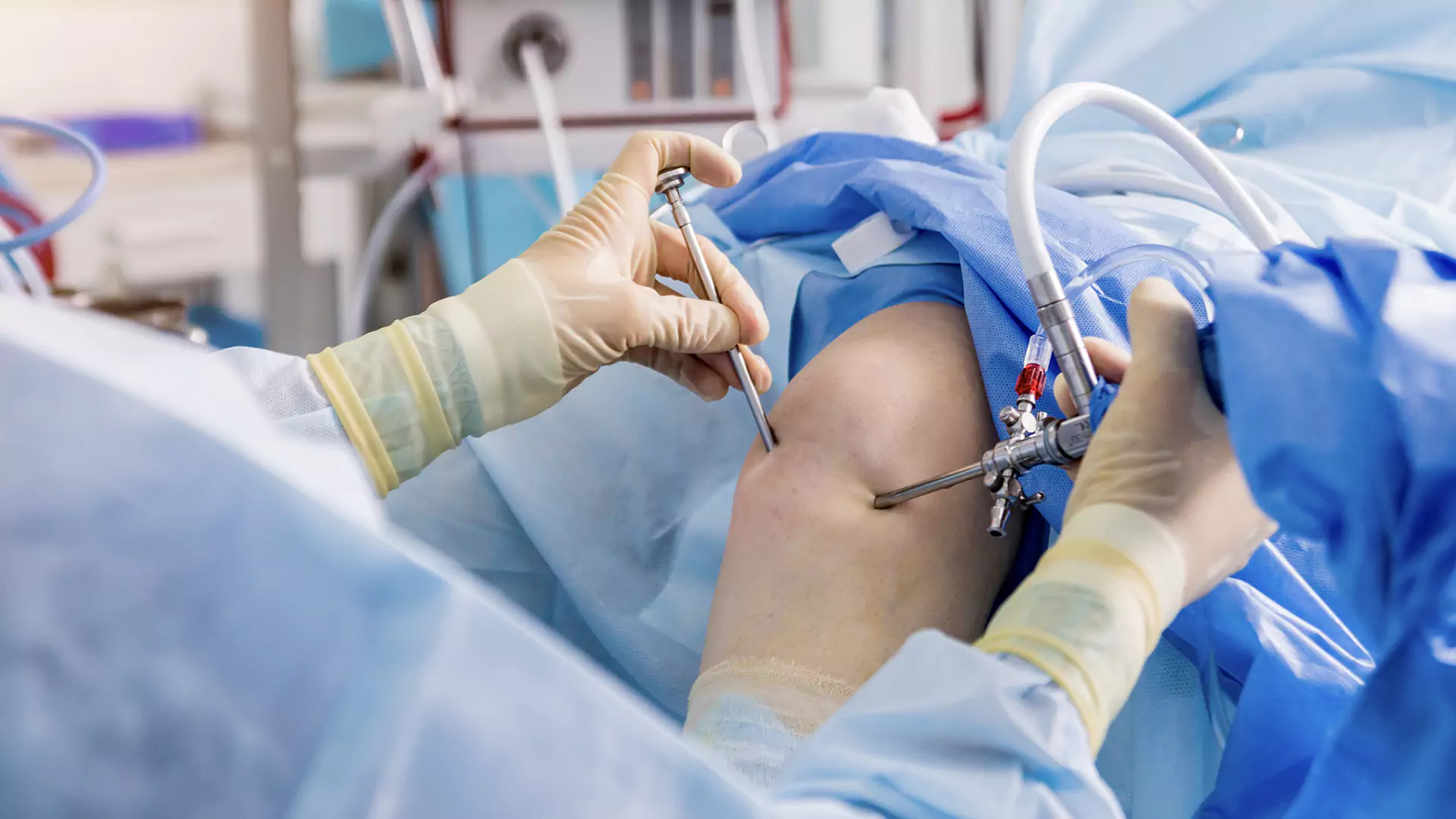
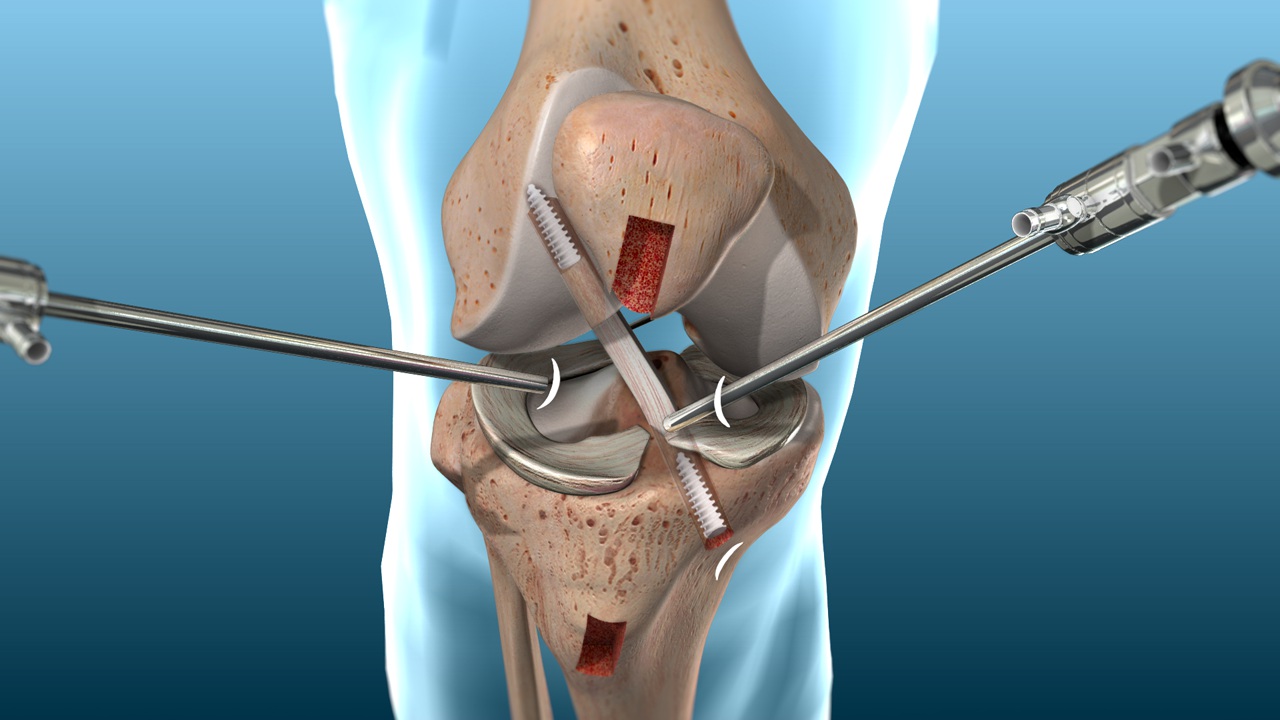
Most ligament reconstructions are minimally invasive arthroscopic surgeries. The whole knee
joint is addressed via 2–3 portals. A diagnostic scopy assesses the meniscus, cartilage,
and ligaments. Meniscal repair can be done with special implants such as Fast-Fix,
Meniscal Cinch, etc. For complex tears, partial/subtotal meniscectomy may be
advised.
Grafts & Fixation
Common grafts include hamstring tendons (semitendinosus and gracilis). Other options are
bone–tendon–bone grafts, patellar tendon, and quadriceps
tendon. Grafts are secured with ultra-button/tightrope at the thigh end and
bio-screws at the tibial end. For shorter individuals, tight-rope
“graftlink” techniques may be used to hold the graft securely.
Faster, Safer Procedures
With advances in instruments and techniques, surgical time has reduced, lowering the risks
of infection and postoperative pain. Rehabilitation is shorter and near pain-free. Patients
are typically discharged in 36–48 hours. Many can walk with a walker within 4–6
hours after surgery, become independent in 2–4 weeks, return to office
work in 4–6 weeks, resume low-energy recreational activity in 3–6 months, and
return to high-energy sports in 6–9 months.
Advantages of Knee Arthroscopy
Very small incisions needed for surgery.
Less pain for patients.
Less joint stiffness.
Relieves painful symptoms of many problems that damage the cartilage surfaces and other soft tissues
surrounding the joint.
Shortens the time it takes to recover and return to favorite activities.
ACL Reconstruction
The widespread use of technology has brought a major transformation in medical science and healthcare.
One such advancement for knee-related problems is arthroscopic surgery.
ACL reconstruction is a minimally invasive technique that allows
orthopedic
surgeons to assess the joint and repair injuries without fully opening the knee.
Advantages of ACL Reconstruction
Better surgical methods and rehabilitation lead to early return to work and activities/sports in
4–6 months (high-demand sports like soccer, basketball, and football may need 9–12
months of rehab).
Most people achieve a stable knee that does not give way after ACL reconstruction.
Less pain and stiffness after surgery.
Fewer complications with the procedure and faster recovery time.
Do You Need ACL Reconstruction Surgery?
The knee keeps giving way/buckling due to chronic instability.
The knee feels unstable during daily activities.
Knee pain and imbalance while getting down stairs.
Inability to return to sports or other activities.
When other ligaments are also injured along with the ACL.
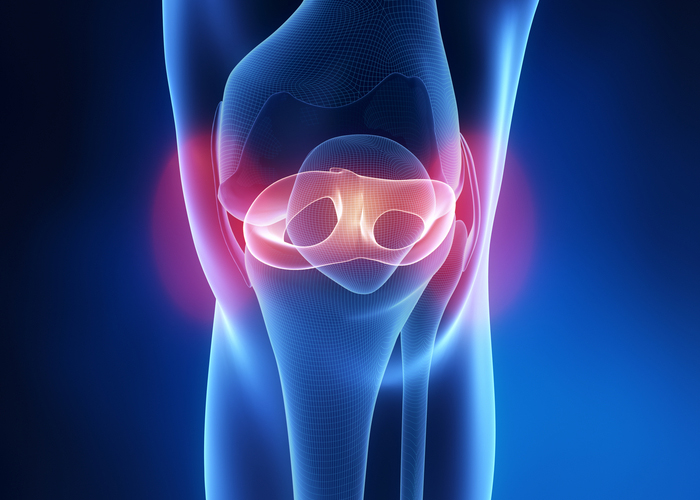
Meniscal Injuries
Meniscal injuries are most commonly due to twisting movements of the knee.
Patients usually present with symptoms such as:
Excruciating pain
Swelling
Locking of the knee
Difficulty in walking and bending the knee
If the meniscus tears, it needs to be addressed properly because patients have an increased risk of
developing
early arthritis if left untreated.
Types of Meniscal Tears
Complete
Partial
Bucket handle
Root avulsions
Surgeries for Meniscus
Meniscal Repairs
Partial Meniscectomy
Meniscal Repairs are done arthroscopically using specialized implants such as Fast
Fix or Meniscal Cinch.
These allow minimally invasive suturing and secure fixation of the meniscus. For more complex or irreparable
tears,
Partial Meniscectomy is performed where the damaged portion is removed to relieve symptoms
and restore motion.
PCL / PLC / MCL Reconstruction
PCL (Posterior Cruciate Ligament)
PCL injuries account for 5–20% of knee ligament injuries, usually caused by a
direct blow when the knee is in flexion or due to hyperextension injury,
often in combination with ACL injuries.
• Grade I & II – can be treated conservatively.
• Grade III (Bony avulsion) – requires surgery for PCL repair or reconstruction.
PLC (Posterolateral Corner)
Missed PLC injuries are a common cause of ACL reconstruction failure.
Complete PLC lesions rarely heal with conservative management and usually need surgical
repair for stability restoration.
MCL (Medial Collateral Ligament)
MCL is the most common ligament injury of the knee (up to 40%), often caused by a direct
blow to the lateral knee with valgus force.
• Grade I & II – treated with conservative management.
• Grade III – requires surgical repair or reconstruction.
Shoulder Scopy
Shoulder arthroscopy is a minimally invasive surgical procedure used to visualize, diagnose, and
treat various shoulder problems inside and around the rotator cuff.
Performed through small incisions, this procedure allows the use of specialized instruments to manage: